Educational institutions today face increasing challenges in managing student inquiries, streamlining admissions, maintaining communication, and improving student engagement. Schools, colleges, universities, coaching centers, and training institutes must handle large amounts of information while ensuring a smooth experience for students and parents. Traditional methods, such as spreadsheets, paper records, and manual follow-ups, can make these responsibilities time-consuming.
This is where CRM for education institutes becomes an essential business solution. A customer relationship management system helps educational organizations manage prospective students, organize admission activities, automate communication, and maintain student information in one centralized platform. By adopting the right CRM technology, institutes can improve operational efficiency, strengthen relationships, and create a more organized enrollment process.
What Is CRM for Education Institutes?
CRM for education institutes is a digital platform designed to help educational organizations manage interactions with prospective students, enrolled learners, parents, and other stakeholders. It centralizes information throughout the student journey, from the initial inquiry to admission and ongoing engagement.
For example, when a student submits an inquiry through an institute’s website, the CRM can record their details, assign the inquiry to an admission counselor, and schedule follow-up reminders. The admission team can then track the student’s progress and provide timely information about courses, fees, eligibility, and enrollment deadlines.
Unlike manual systems, a CRM provides a structured way to manage communication and monitor admission activities. It enables educational institutions to coordinate their teams and make informed decisions using organized data.
Key Benefits of CRM Software for Educational Institutions
1. Simplified Admission Management
Admission management is one of the most important responsibilities of any educational institution. Handling multiple inquiries, application forms, document requirements, and admission deadlines can become difficult without a structured process.
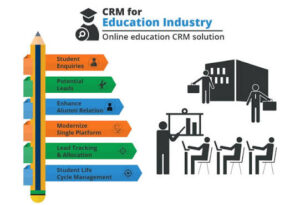
CRM software helps organize student inquiries and track applicants through different admission stages. Admission counselors can view pending applications, schedule meetings, and follow up with interested students.
This organized workflow helps reduce missed opportunities and ensures that prospective students receive timely assistance throughout the enrollment process.
2. Improved Student Communication
Clear communication plays a significant role in building trust between educational institutions and students. Delayed responses or inconsistent information can affect the admission experience.
With CRM for education institutes, organizations can manage communication through email, SMS, and other supported channels. Automated notifications can provide information about application deadlines, entrance examinations, fee payments, and important institutional announcements.
Personalized communication also helps counselors address individual student requirements more effectively.
3. Better Lead Management and Enrollment
Educational institutions often receive inquiries through websites, social media, education fairs, advertisements, and referral programs. Without proper tracking, some potential students may not receive the attention they need.
A CRM system brings these inquiries together and allows teams to categorize prospects according to their course interests, qualifications, location, or admission stage.
Institutes can analyze which marketing channels generate the most inquiries and identify where prospective students leave the admission process. These insights help improve enrollment strategies and allocate marketing budgets more efficiently.
4. Enhanced Team Collaboration
Admission counselors, marketing professionals, administrative staff, and academic departments frequently need to exchange information. Disconnected records can create confusion and unnecessary delays.
A centralized CRM platform allows authorized employees to access relevant information and review interaction histories. Teams can coordinate follow-ups, assign responsibilities, and monitor progress without repeatedly requesting the same details.
This improves accountability and helps institutions maintain a more consistent experience for prospective students.
5. Data-Driven Decision-Making
Accurate information helps educational leaders understand institutional performance. CRM reporting tools can provide insights into inquiry volumes, admission conversion rates, counselor performance, and course demand.
By reviewing these reports, administrators can identify successful recruitment campaigns, evaluate enrollment trends, and make better decisions about future admission planning.
Reliable data also helps institutions recognize areas where communication or administrative processes need improvement.
Essential Features to Look For
When selecting CRM for education institutes, consider the following features:
- Lead management: Capture and organize inquiries from multiple sources.
- Admission tracking: Monitor applications and student progress through enrollment stages.
- Automated follow-ups: Schedule reminders and communication activities.
- Student database: Maintain organized records and interaction histories.
- Marketing integration: Connect with relevant advertising platforms, websites, and communication tools.
- Reporting and analytics: Measure enrollment performance and identify opportunities.
- Role-based access: Restrict sensitive information to authorized users.
- System integration: Connect the CRM with student information systems, learning platforms, or other institutional software where supported.
The right combination of features depends on the institution’s size, admission process, budget, and operational requirements.
How to Choose the Right Education CRM
Before investing in a CRM solution, identify the institution’s primary challenges and long-term objectives. A coaching center may prioritize inquiry management and counselor follow-ups, while a university may require advanced reporting, multiple departments, and integration with existing systems.
Compare software options based on usability, customization, security, scalability, implementation costs, and customer support. Request a demonstration to understand how the platform handles real admission workflows.
Employee training and accurate data entry are also important for successful implementation. Establishing clear procedures helps ensure that the CRM remains useful and reliable over time.
Conclusion
Implementing CRM for education institutes can transform the way schools, colleges, universities, and training centers manage admissions and student relationships. From organizing inquiries and automating communication to tracking enrollment performance, CRM technology helps simplify administrative responsibilities and improve coordination.
By choosing a solution that matches their needs, educational institutions can create a more efficient admission process, strengthen student engagement, and make better use of their resources. A well-implemented CRM system provides a practical foundation for sustainable institutional growth and a more organized educational experience.