For individuals struggling with major depressive disorder (MDD) who have not responded adequately to antidepressants, the question of whether tms near me can replace medication is a common concern. Transcranial magnetic stimulation (TMS) offers a non-invasive approach that targets specific brain regions responsible for mood regulation, providing an alternative pathway for relief without the systemic effects of oral drugs.
Understanding TMS as a Treatment Option
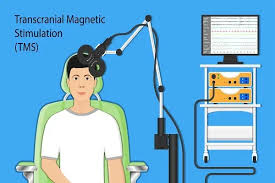
TMS uses focused magnetic pulses to stimulate neural activity in the prefrontal cortex, an area associated with mood and cognitive function. Unlike medications that circulate throughout the body, tms near me works directly on the brain circuits implicated in depression. Patients remain awake during sessions, which typically last 20 to 40 minutes, and the therapy has been cleared by the FDA as a safe and effective intervention for treatment-resistant depression.
Can TMS Fully Replace Antidepressants?
While TMS has shown promising results, it is not universally considered a complete replacement for antidepressant medication. Some patients experience substantial improvements in mood and daily functioning, sometimes allowing them to reduce their reliance on medication under medical supervision. However, the decision to discontinue antidepressants should always involve a licensed healthcare provider, as abrupt cessation can lead to withdrawal symptoms or relapse.
Advantages of TMS Over Medication
One of the key benefits of TMS is its minimal side-effect profile. Common adverse effects are typically mild and temporary, such as scalp discomfort or headaches, contrasting with the broader systemic side effects of many antidepressants. Moreover, TMS allows patients to maintain daily routines without the sedative or gastrointestinal effects that medications sometimes cause. Platforms like tmstherapynearme.com can help prospective patients find qualified clinics and schedule initial consultations to explore whether TMS is appropriate for their condition.
Factors Influencing Treatment Outcomes
Individual responses to TMS vary based on factors such as depression severity, medical history, and adherence to the prescribed treatment schedule. Combining TMS with psychotherapy, lifestyle adjustments, and medication tapering (if recommended by a physician) often results in the best outcomes. Many patients notice improvements within the first few weeks, while full benefits typically develop over the course of a four to six-week treatment plan.
Long-Term Considerations
For some, TMS may serve as a long-term solution or a bridge to reduce medication dependency. Maintenance sessions can help sustain the antidepressant effect and improve overall quality of life. Understanding the underlying neurobiology, including the role of the dorsolateral prefrontal cortex, is key to appreciating why TMS may complement or, in select cases, partially replace pharmacological interventions.
In conclusion, tms near me offers a compelling alternative for individuals seeking relief from depression without solely relying on medication. While it may not entirely replace antidepressants for everyone, it provides a clinically validated, non-invasive option that can enhance treatment outcomes and improve daily functioning.